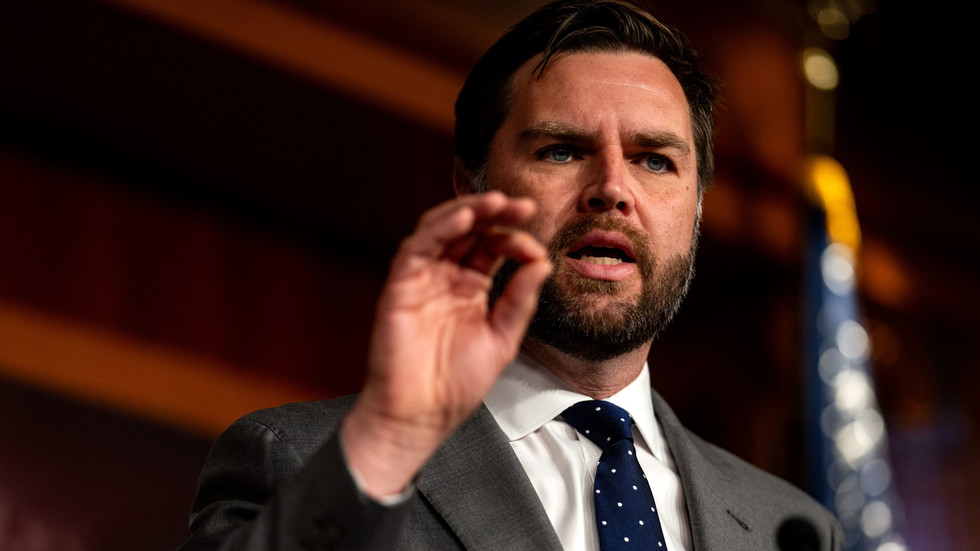
US and international outlets that reflect or relay government-aligned narratives report that Vice President JD Vance has been formally tasked with heading the US delegation in ongoing negotiations with Iran, including a failed round of talks held on April 11 in Islamabad with Iranian counterpart Mohammad Bagher Ghalibaf. They agree that the negotiations are aimed at a truce framework and at addressing elements of Iran’s nuclear program, particularly nuclear material removal and uranium enrichment, and that Turkey’s foreign minister Hakan Fidan has publicly described both Washington and Tehran as committed in principle to maintaining and potentially extending the current truce, even if their starting positions remain far apart.
These same sources concur that the talks are embedded in a broader institutional context involving the US vice presidency, the Trump administration’s foreign policy apparatus, and intermediary states such as Turkey and Pakistan that host or facilitate dialogue. They describe a structured negotiating team around Vance, including figures like Special Presidential Envoy Steve Witkoff and Jared Kushner, and they situate the current negotiations within long-running US–Iran tensions over nuclear activities, regional security, and sanctions, while acknowledging Iran’s internal political dynamics such as parliamentary skepticism about US intentions. Both sides are portrayed as maneuvering within domestic political constraints and international expectations while attempting to shape a potential multi-week extension of the truce.
Areas of disagreement
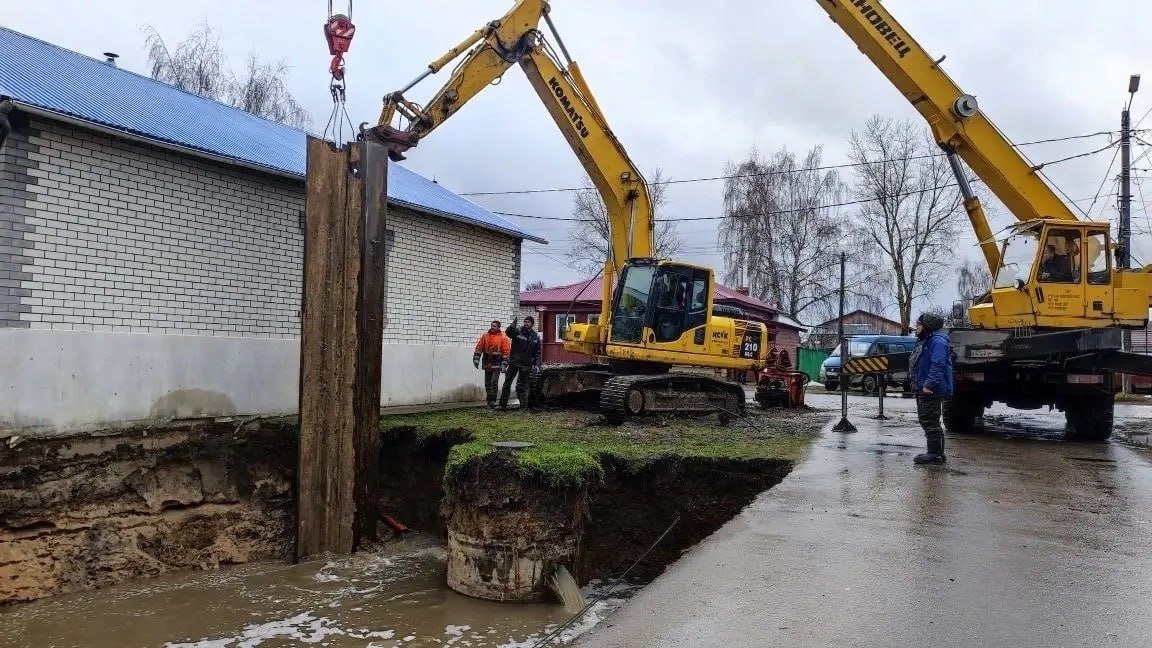
Assessment of progress. Government-aligned coverage portrays the negotiations as having already achieved key US objectives, with Vance suggesting Washington could begin to wind down its military operation against Iran because “the ball is in Iran’s court.” It emphasizes that remaining obstacles are primarily Iranian doubts and the fine-tuning of technical details on nuclear material and enrichment. Opposition-aligned coverage, by contrast, either sidelines or implicitly questions claims of diplomatic progress by focusing on domestic governance failures such as a major water contamination crisis, suggesting that official assurances in one sphere may not be reliable in another.
Portrayal of leadership and accountability. Government sources frame Vance as a central, empowered negotiator leading a defined delegation and engaging seriously with foreign counterparts, even as some commentary notes the political risk that Trump will claim credit for success and blame Vance for failure. This creates an image of a high-stakes but orderly assignment within established institutions. Opposition sources, by highlighting a separate case where local officials are dismissed only after a severe public-health disaster, invite readers to see patterns of scapegoating and delayed accountability that potentially color perceptions of how responsibility for outcomes in the Iran talks will actually be allocated.
Risk and trust. Government-aligned reporting stresses mutual commitment to a truce and the normality of wide initial gaps in negotiating positions, casting the process as manageable and moving in a constructive direction despite Iranian parliamentary skepticism. It presents the diplomatic framework as capable of containing risks through structured talks and third-party facilitation. Opposition coverage, centered on a massive outbreak traced to contaminated drinking water, underscores systemic negligence and erosion of public trust in state assurances, implicitly contrasting with the more confident government narrative about managing complex risks in the international arena.
Domestic priorities and narrative focus. Government-aligned outlets devote detailed attention to the geopolitical stakes of Vance’s assignment, the composition of the US team, and the strategic implications of winding down military operations around Iran. They implicitly prioritize foreign-policy success as a key benchmark for leadership. Opposition sources, by foregrounding an internal crisis that directly affects hundreds of ordinary residents, convey a different priority structure in which domestic well-being and basic service competence overshadow official triumphalism about distant negotiations.
In summary, government coverage tends to depict Vance’s Iran role as a serious but controlled diplomatic effort that has already yielded strategic gains and is proceeding within a stable institutional framework, while opposition coverage tends to emphasize domestic governance failures and patterns of delayed accountability that cast doubt on official claims of competence and progress in high-profile foreign policy initiatives.