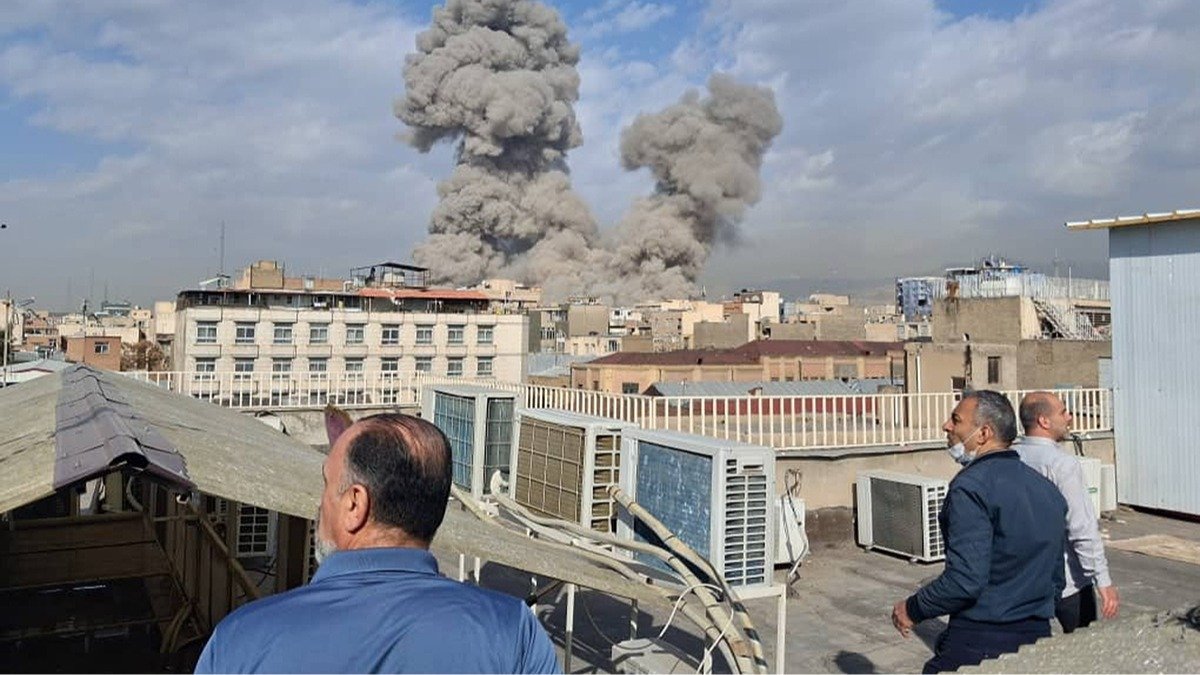
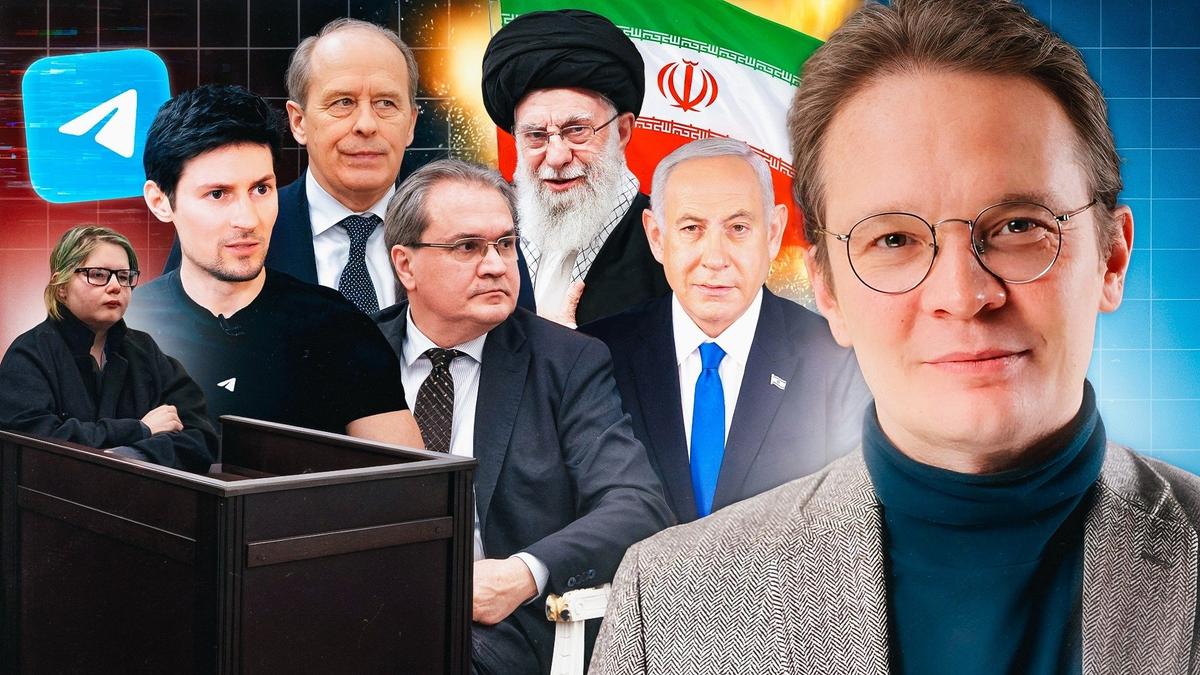
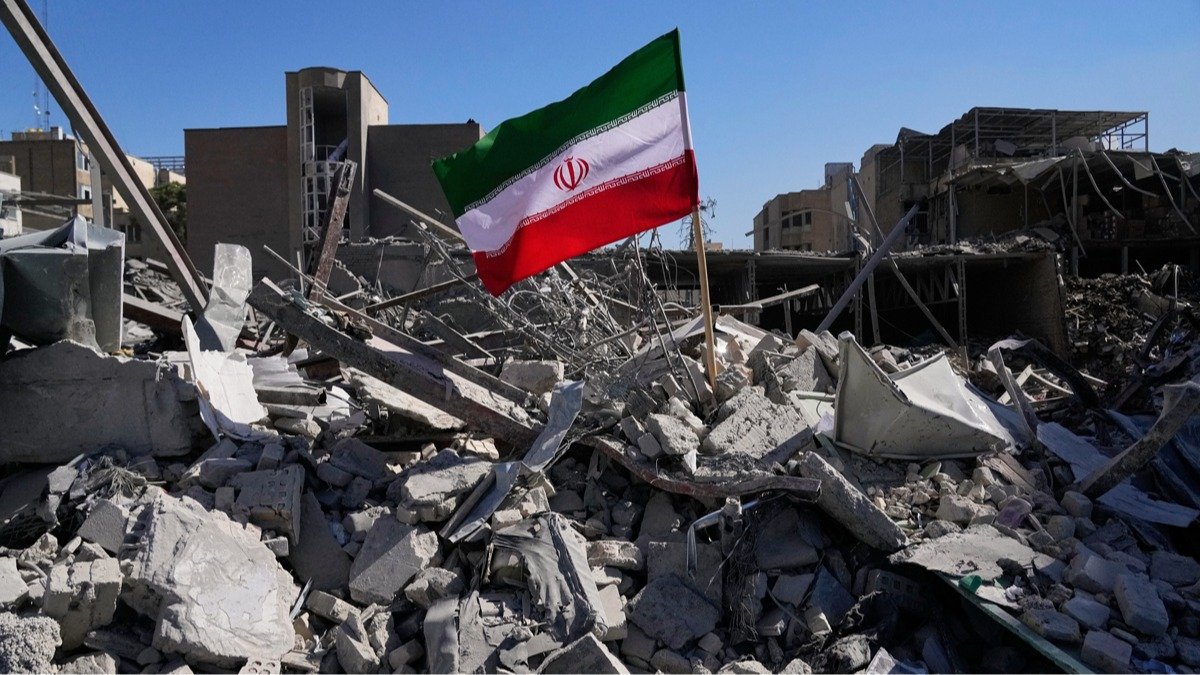
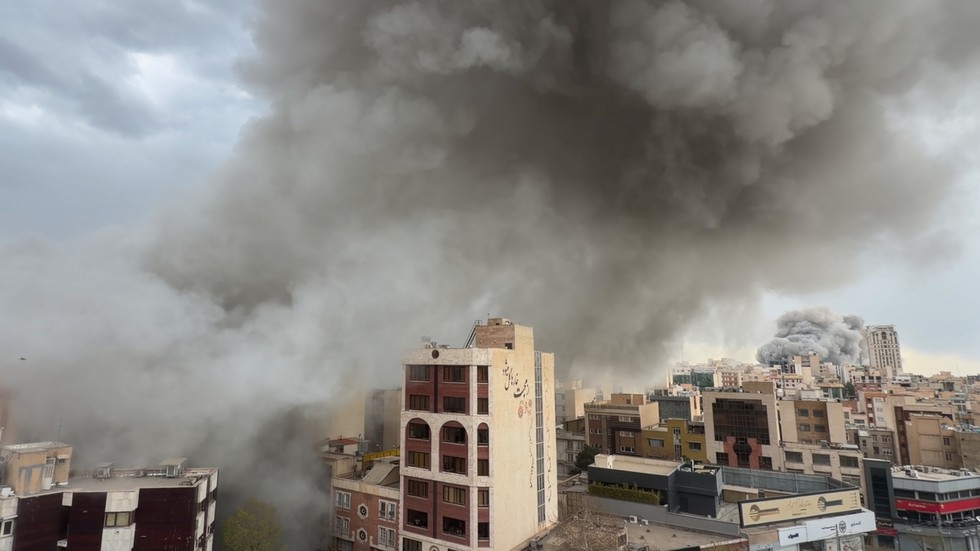
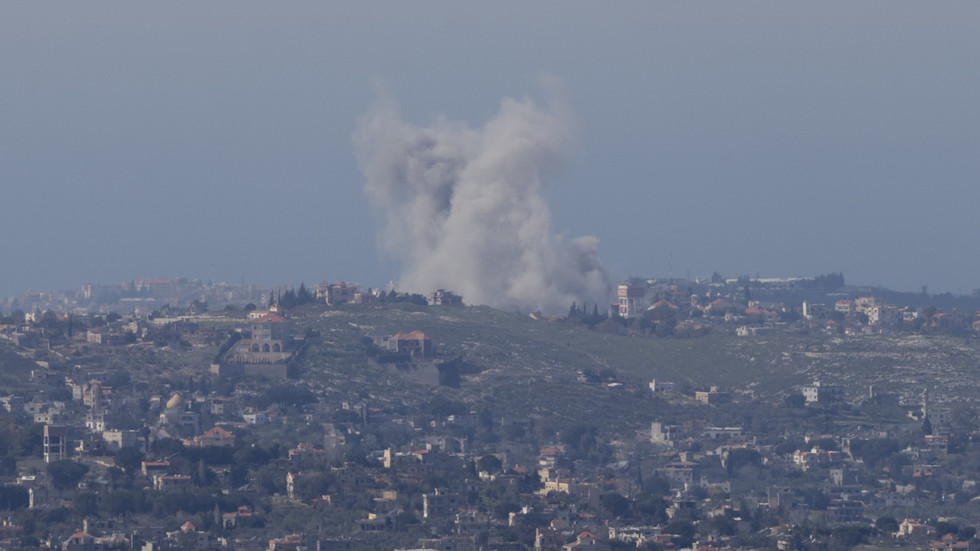
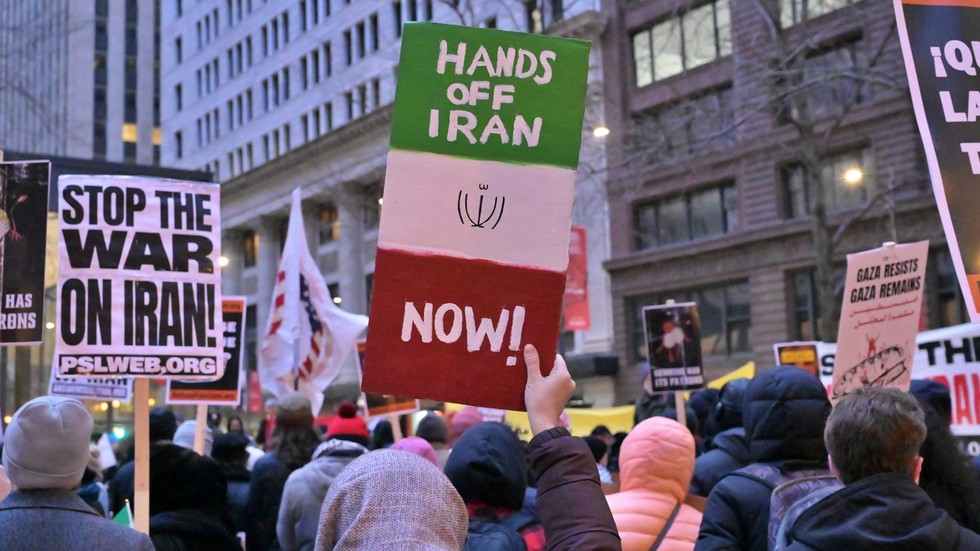
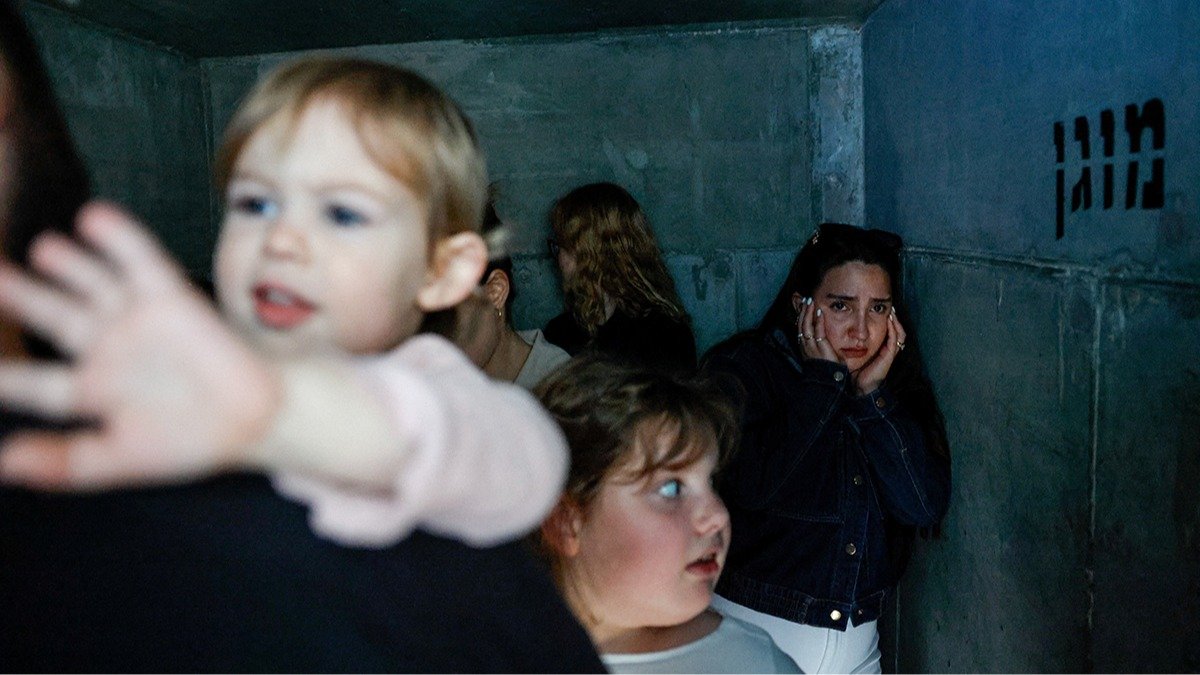
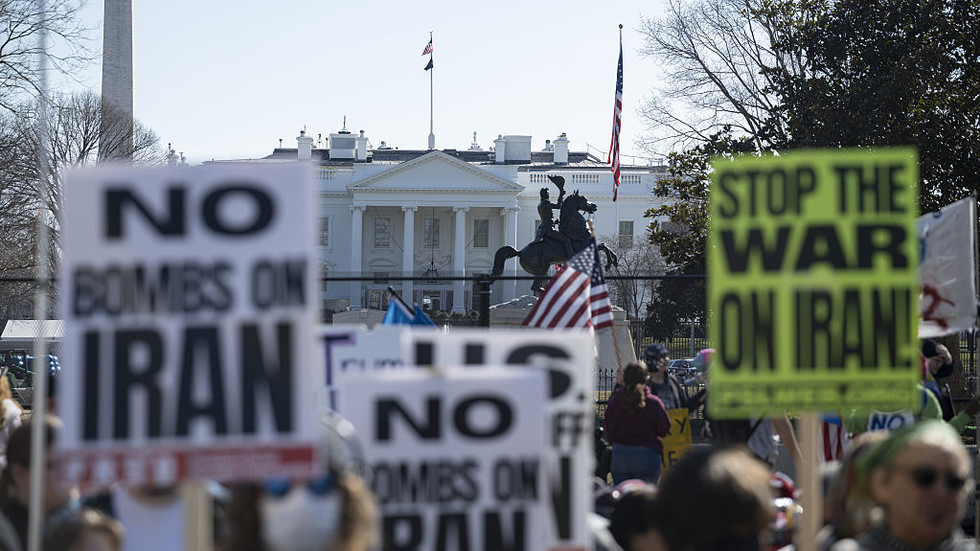
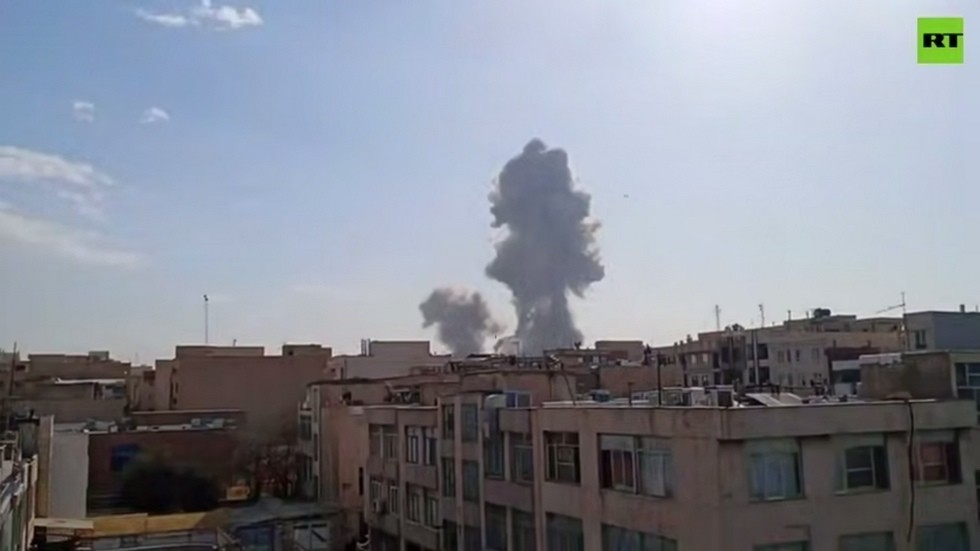
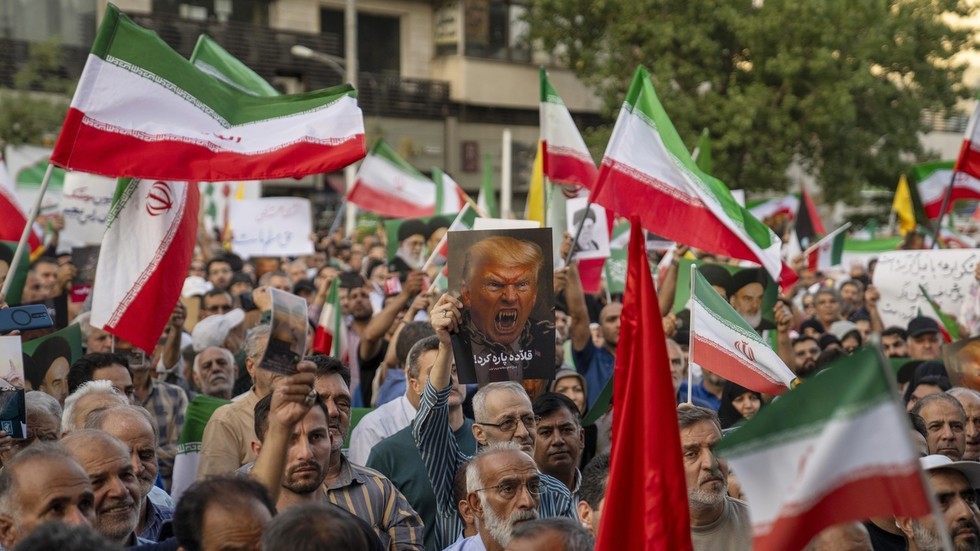
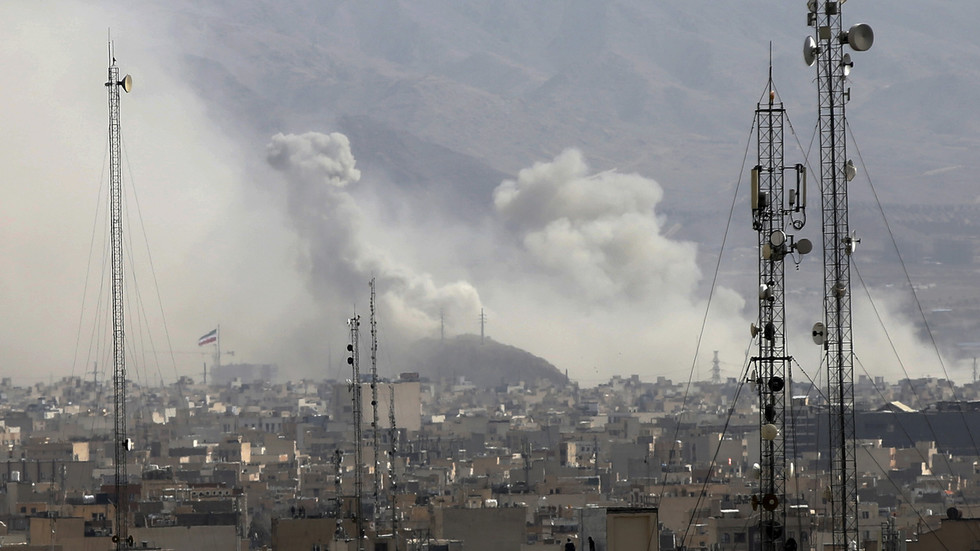
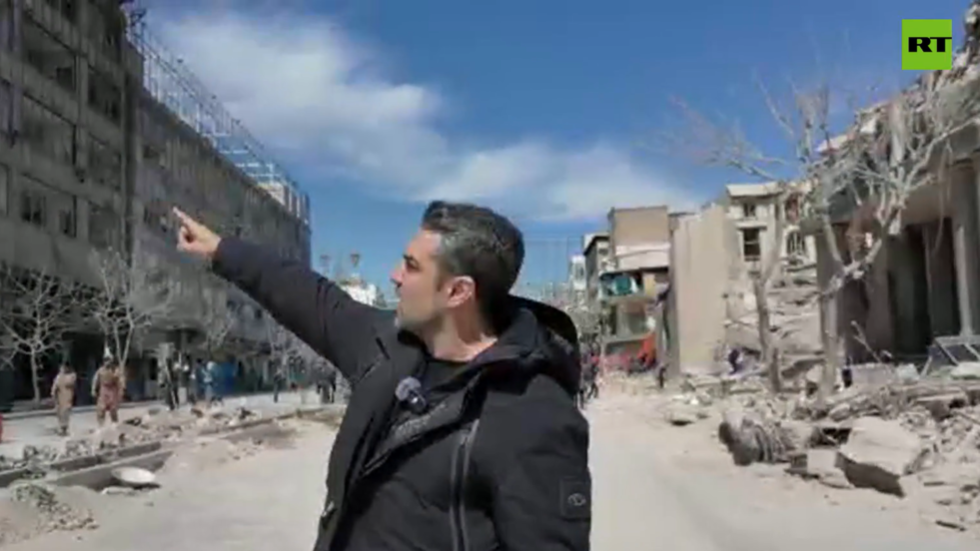
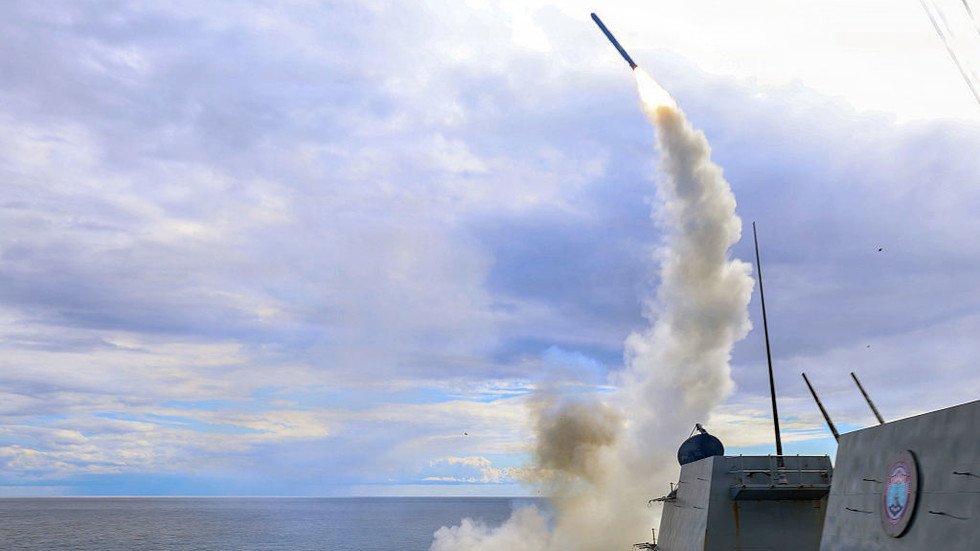
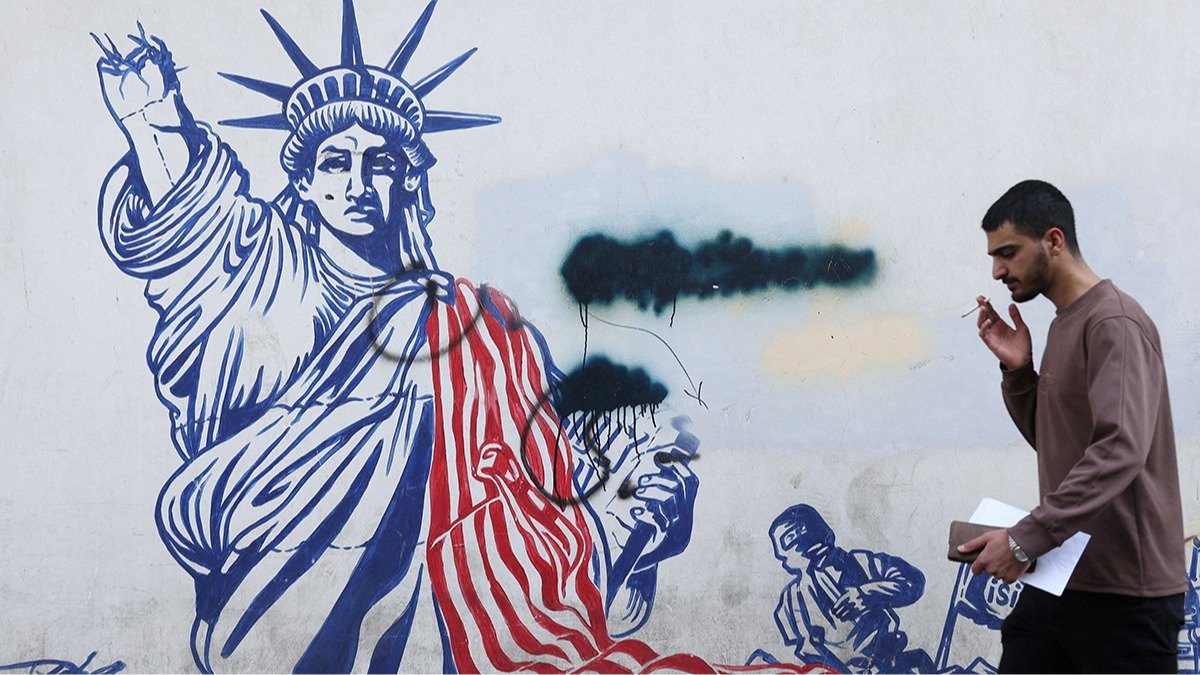
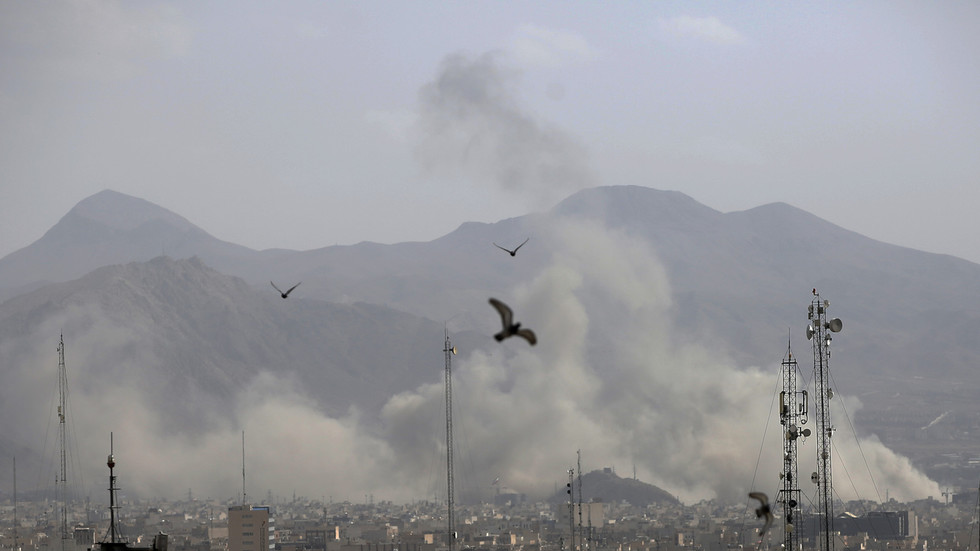
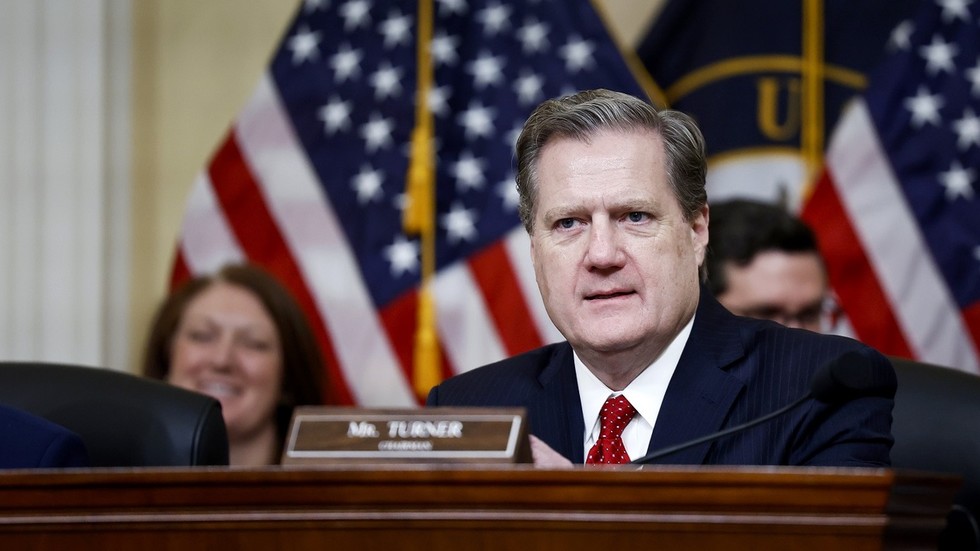
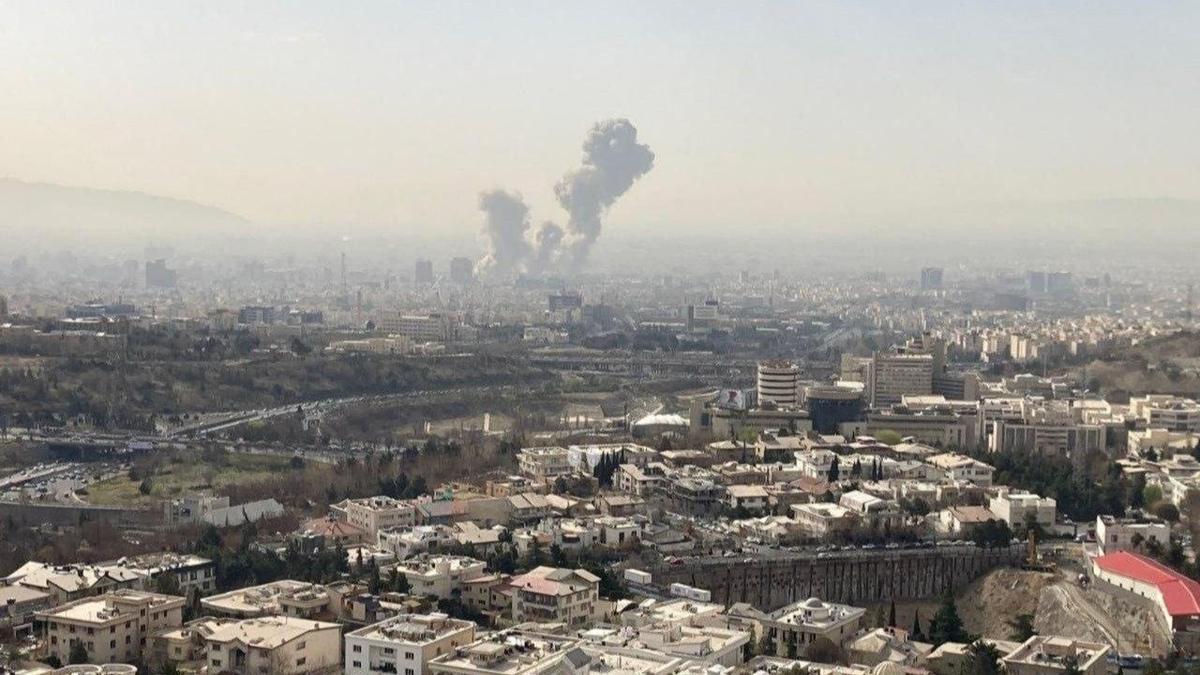
On Saturday, February 28, the Israeli Ministry of Defense announced "preemptive strikes" against Iran, and the Pentagon confirmed it was a joint operation by Israel and the US. In response, Iran attacked not only Israeli territory but also US military bases in the Persian Gulf countries. There are reports of casualties; a 40-year-old woman died in Tel Aviv, and a strike in Dubai hit the international airport. In Iran, Defense Minister Aziz Nasirsadeh, IRGC Commander Mohammad Pakpour, IRGC intelligence chief Gholamreza Rezaiyan, and Khamenei's national security advisor Ali Shamkhani were killed. Later, it was reported that Supreme Leader Ali Khamenei also died. Iranian authorities reported 201 deaths and 747 wounded. There are reports that one of the strikes targeting an IRGC facility destroyed a nearby girls' school, with Iranian press reporting dozens of children killed, though this information is unconfirmed. Iran's National Security Council Secretary Ali Larijani vowed that Iran would take revenge for Khamenei's death. The world awaits the outcome for the Iranian regime, which faces numerous grievances not only from Israel and the US but also from its immediate neighbors in the region. Iranist and author of the Telegram channel Oriental Express, Mikhail Borodkin, answers Novaya Gazeta Europe's questions (the conversation took place on Saturday, before Khamenei's death was confirmed). A man walks past a fresco depicting a damaged Statue of Liberty on a street in Tehran, Iran, February 26, 2026. Photo: Majid Asgaripour / WANA / Scanpix / LETA. — Why did Iran provoke the attack now, what was the trigger? — The issue is not what Iran did, but what it failed to do: to definitively refuse to meet the demands presented during negotiations. By February 28, it seems, American commanders concluded that sufficient forces had accumulated to accomplish the task. — What specific demands did the Iranians refuse to agree to, even under threat of a new war and the actual destruction of the regime? Why was this so crucial for them? — From the Iranian perspective, fulfilling the demands regarding the nuclear program was impossible, i.e., a complete cessation of uranium enrichment, handing over enriched material, and so on. Furthermore, it concerned the fulfillment of conditions indefinitely, not as it was under Barack Obama. Plus, a reduction in the range of ballistic missiles, plus an end to sponsoring terrorism — all of this, from their point of view, were demands that essentially meant capitulation to America. If the Iranian regime accepts these demands, it believes it will be in a weaker, more vulnerable position. And after that, they believe, they will be attacked anyway. So, for them, it was better to go to war with America now than to fulfill these demands first and then still be attacked. That's their logic. — But didn't the ayatollahs have the option to do as they did under Obama: formally agree to the conditions, quietly continue their developments, so that by the time they were attacked, they would have had time to gain strength? Why didn't they do that? — That's precisely the point, the demands were not like under Obama. The Americans also did not yield. They told the Iranians: here are the conditions, one, two, three, four — fulfill them, it's not up for discussion, that's all. The Iranians tried to stall for time, as they usually do, but unsuccessfully. Smoke in central Tehran after an Israeli attack in Iran, March 1, 2026. Photo: Abedin Taherkenareh / EPA. — Did they understand what they were getting into? Did they understand what it could lead to? — I think they did. It was clear to everyone. Well, if it was clear to you and me, then it was clear to them too: preparations for an attack were underway, the US was not bluffing, they were indeed going to start a military operation. They understood, but, I repeat, they simply believed that the military operation would again be limited to airstrikes, would not involve ground troops, and they proceeded from the assumption that they could survive it. They considered it a lesser threat to the regime's survival than fulfilling American demands. — But there is no ground operation. Can the regime really survive these attacks? — Whether they can survive it, we will soon find out. I won't venture to make predictions. Either outcome is possible. If the Americans significantly weaken the regime in a short period of time, and this is possible, then we will most likely see very serious anti-government protests, and no one knows what the outcome will be. It's one thing when people go out for demonstrations, and pickup trucks with machine guns drive up and shoot them. It's another thing when people go out for a demonstration, and American drones hover overhead, immediately firing at all these pickup trucks. So anything can happen. Become a co-participant of Novaya Gazeta Subscribe to the newsletter and receive letters from the editors Subscribe — Do you think the US is ready to help protesters with drones? For now, we see that military targets are being bombed. — Yes, for now they are bombing military targets and symbolic targets: IRGC bases, military factories, missile depots. They bombed Khamenei's residence, and it seems Ahmadinejad's house was bombed too. But it's quite possible they will employ other measures later. — There were many reports about targeted assassinations of Supreme Ayatollah Ali Khamenei (at the time of the conversation, news of the Leader's death had not yet been confirmed. — Ed.), President Masoud Pezeshkian, and Supreme National Security Council Secretary Ali Larijani. Were they really planning to eliminate them? — I am sure that strikes were carried out against the entire top leadership of Iran, but against whom exactly — it is not yet clear. It is clear that they were targeting the highest military and political leadership; we will learn the details, I think, soon, as there is no official data yet. And even unofficial data is unclear. By Saturday evening, only the Foreign Minister had spoken among all serious officials, and to a direct question about whether Khamenei was alive, he replied: "As far as I know, yes." Interpret it as you wish. — Why, by the evening of the first day of the war, are so many caveats — "as far as is known" and so on — necessary in comments on this matter? During the 12-day war, it seems, Israeli intelligence confirmed liquidations faster. — It's not that fast, after all. Besides, there might be various considerations for not rushing. Let's wait a bit longer; in time, we will understand whether it succeeded or not. Shia Muslims mourn the killing of Iran's supreme leader Ayatollah Ali Khamenei during a protest against the US and Israel in Srinagar, Kashmir, India, March 1, 2026. Photo: Farooq Khan / EPA. — You've said several times that Americans were concentrating forces, Americans delivered the strike. But Iran was attacked on Saturday morning by Israel? Who actually started this war? — Of course, it was a US decision, but also Israel's; Israel supported the United States in this. Benjamin Netanyahu has long said that the Iran problem must be solved seriously. Not to delay, not to give another year's reprieve, another two, but to act seriously. Apparently, he was heard. And we see a joint operation, and doing things together is always more interesting, always more fun. But if not for the American decision, nothing would have happened. Just as in the summer of 2025. — To what extent do the current events and their unfolding align with Israel's interests? — There is no reliable data yet on what is happening and how. But it is in Israel's interests to change the Iranian regime, that's all. This is the only thing we can state with 150 percent certainty. The current regime is insane, impossible to negotiate with, and poses a real threat to the existence of the Jewish state. If it changes, this threat will disappear. Whether it changes or not — we will find out soon, I repeat. — We've seen the example of Venezuela: the US abducted Maduro, and could have just as easily eliminated him. Some changes are happening slowly in Venezuela, but it can't be called a regime change. Why do you think the goal in Iran is precisely regime change? — These are completely different situations. Venezuela didn't threaten anyone much, except perhaps neighboring tiny Guyana, where they held a referendum and declared half the country theirs. And they didn't even implement the decision of their referendum. There was a possibility that the US would try to pull off something similar in Iran, and then there would be no regime change, of course. But Netanyahu has already commented on the start of this war, saying that Israel, along with America, is eliminating a threat to its existence. And this means only one thing: work on regime change. Trump, in turn, addressing the Iranians, said: we will bomb everything possible now, you wait for now, and then you can come out and take power into your own hands, this is your only chance. — And he promised that the US would cover from above? — He didn't say that, but he promised to clear the field, and then you act on your own. So, it looks like the US has indeed set a goal to see it through to the end this time. — How possible is this in practice? After all, the regime is not just Khamenei; repression can be carried out without him. — It's impossible to say reliably. I can only repeat: if the regime is significantly weakened now, various processes could begin in Iran that would lead to its collapse. How it will collapse, what will emerge in its place? There are many scenarios: from civil war to the semi-disintegration of the state, where individual groups control separate territories. But a normal transformation is also quite possible. We are still only at the beginning. Since there are no serious reliable confirmations about the results of the first strikes, let's not rush with predictions. — I can't recall an instance where overthrowing a regime in the Middle East has improved the situation. — Why not? What about Tunisia? — Tunisia is a separate story. Tunisia had its own National Dialogue Quartet, there were local peculiarities, and it was definitely not American military personnel who came there to do good. — That's true. But there's another important point here. Perhaps it sounds cynical, but "for the better" — for whom? For whom should it become better from regime change? One thing is if we are talking about those who live inside the country, then there can be various options. Another is if we are talking about the region or neighboring countries. These are different kinds of "better." We'll live and see. But the main thing we know now is that there will be no ground operation. This means it will not be a second Iraq or Afghanistan, where Americans come in seriously and for a long time, start suffering losses themselves, various local forces unite against them, and then these forces, waiting for the Americans to leave or forcing them to leave, seize power themselves. Nothing like that should happen here; the situation is completely different. Let's hope for the best. A man near a building hit by an Iranian missile, Tel Aviv, Israel, March 1, 2026. Photo: Abir Sultan / EPA. — So, what is "better"? Regime change — to what? You already said that there is simply no force in Iran that could replace the regime. — Yes, I already said that there is no united opposition in Iran, and there still isn't. But at least Prince Reza Pahlavi has a plan of action. He has proposed a course of action for the transitional period: the formation of some government to simply function, and then a referendum on what kind of regime the people want. And then, accordingly, new elections for a transitional council that prepares a draft of a new constitution based on the referendum results. That is, depending on what the people want, a monarchy, democracy, or something else. The draft of the new constitution is put to a referendum — and then it comes into force, and people start living by it. This is an optimistic scenario. When the Soviet Union collapsed, each republic still had its own government, ready institutions of power. Therefore, the collapse was relatively smooth. In Iran's provinces, there is nothing like that. Plus, Iran has its own problem: the settlement areas of ethnic groups do not correspond to provincial borders; this was done intentionally at one time. Therefore, it could lead to serious internal contradictions. Or it might not, here too we must wait for events to unfold. Shortly before the war, for example, there were reports that Iranian Kurdish organizations had united, let's see now how they will interact with everyone else. All this will become clear soon enough, we will understand which direction Iran is moving in. For now, I see that Iranian oppositionists are very optimistic. They generally say that these scoundrels should be overthrown, and then somehow we'll figure out what to do. — Several countries have faltered on this "we'll figure it out somehow," not just in the Middle East. Could it be that in Iran, the majority will eventually vote for the return of the Islamist regime? — Probably not. The last elections in Iran showed that no one goes to the polls. That is, they don't vote for Islamists. — But that's even worse, that they don't go, we've seen this in Russia, and, for example, in Georgia: those who want "like before" will go to the polls. — That's precisely the point, they don't vote for "like before," for Islamists, in Iran. There are simply no others. But if some other force appears, they will vote for it. In Iran, unlike other countries, people are genuinely tired of this ideology that has driven the country into a dead end, into poverty, into catastrophe. And now the regime is paying for it. Clashes between protesters and security forces in Karachi, Pakistan, occurred on March 1, 2026, near the US consulate after Iran's Supreme Leader Ayatollah Ali Khamenei was killed in an Israeli airstrike on Iran. Photo: Rehan Khan / EPA. — How is the new war perceived in Israel? — In Israel, most people are happy that something has started, because everyone is tired of waiting. Mobilization of reservists has been announced, but not for the entire army, but for air defense units and rear services. That's it. For now, everyone is waiting for official confirmation of the results of the first strikes, then something can be understood. — But it is already known that in Tel Aviv, a woman died during Iranian shelling, and there are casualties. And again — alarms, sirens, shelters. Are you so accustomed to this? — I'm not accustomed to it, and I don't like all this. I don't know who is accustomed. But what can be done? One has to put up with it; the question is whether it's all in vain or not. — There are many comments on social media from Israelis indignant about the new war, asking why it was necessary. — There are different opinions in Israel, and this one also exists; it has a right to exist; we have pluralism. Yes, there is already a victim and casualties. But we understand that if an atomic bomb comes from Iran, there will be many more victims. So it's a matter of the country's survival. — But Iran doesn't have this bomb; even American intelligence confirms this. And it's unknown if it will. — Here, you know, it's like in a joke: "I'm scaring away crocodiles here." — "Why, if there are no crocodiles?" — "That's why there are none, because I'm scaring them away." We understand that if we don't act, the situation will worsen. Iran poses a threat to Israel's security. Last time, when Israelis thought it was better to endure and wait, it ended with October 7th. Iranist Mikhail Borodkin. Photo: YouTube. — Forgive me for the comparison, but Vladimir Putin, justifying the attack on Ukraine, said that if we weren't there, NATO troops would be. Does Israel truly believe that Iran is capable of creating nuclear weapons after the 12-day war? — Of course. Yes, several sites of the Iranian nuclear program were destroyed during the war, but they can be restored. And they were going to be restored. So the war did not solve the problem once and for all. Now, regarding your comparison. Ukraine never posed a real threat to Russia's existence, and this was obvious. Iran poses a real, not fabricated, threat to Israel's existence. Iran sponsors a huge number of terrorist organizations. Khamenei has repeatedly openly stated that Israel must be destroyed. He even named a date: 2040. In the past, when we dismissed such threats, we paid a very high price for it. Ukrainian leaders, as far as I recall, have never said anything like that about Russia. — I agree, Ukraine is more appropriately compared to Israel here: it simply wanted its neighbor to leave it alone. — Exactly. We want that too. — As an analyst, an orientalist, a specialist in Iran, do you truly believe that regime change guarantees security for Israel? Why does Israel believe that another regime will not continue Khamenei's work in this regard? — We don't know what this other regime will be like. But most likely, it won't continue. And it's not that important right now. What's important is that the current regime has set itself the goal of destroying Israel, and it is clearly moving towards its realization. And as long as it exists, it will try to achieve its goal. This is our starting point. As for what those who replace them will do, we can only guess now. Past experience shows that before this regime, Iran had a government that interacted normally with Israel. — How might this war affect Israel's foreign policy standing? Will there not be another wave of accusations that officers of the IRGC and other civilians are dying in Iran? — I have to be quite blunt: if you are asking about Europe's opinion, it's of no interest to anyone. As for the Arab countries, both Saudi Arabia and the Emirates condemned Iran, not Israel. So, as you can see, nothing terrible. Nothing new is likely to happen with Israel's international standing. — And Turkey? — Turkey, if I'm not mistaken, is silent for now. On the one hand, Iran threatened to strike all NATO bases within its reach, and there are NATO bases in Turkey too. On the other hand, the Turks were against this strike, but our relations with them are already not the best. Therefore, it's unlikely anything new will happen either. But I repeat: less than 12 hours have passed since the first strikes at the time of our conversation, so it's too early to draw conclusions about any long-term prospects. I am now reading that Khamenei is supposed to speak soon. — So, is he alive after all? — We will see soon. From the editors. Ali Khamenei did not speak. Almost immediately after our conversation with Mikhail Borodkin, Israel and the world press confirmed that the Supreme Ayatollah Ali Khamenei, the spiritual and de facto leader of Iran, had died during a strike on his residence; the body has been identified.